
The Art of Magic: Why We Love Being Deceived

The Different Flavors of Illusion
Magic isn’t a one-size-fits-all performance. It scales from intimate gatherings to massive auditoriums:
| Subgenre | Setting | Key Characteristics |
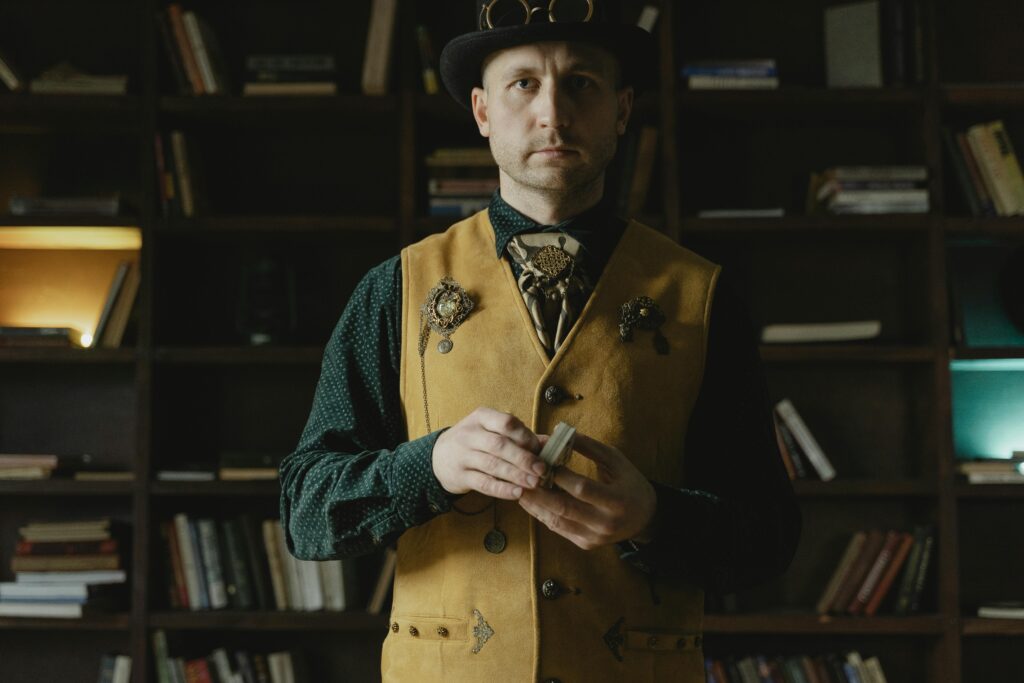
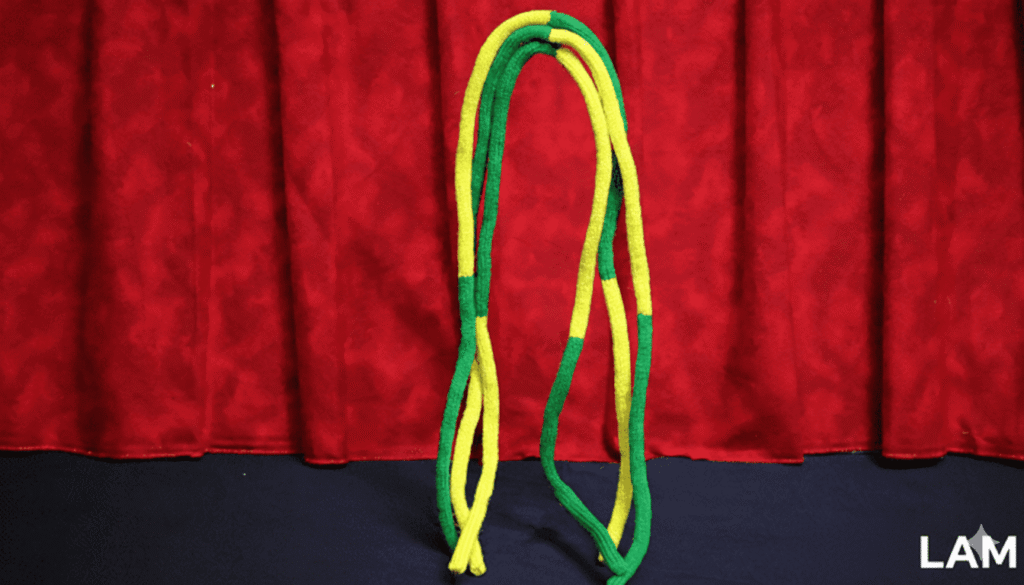
| Close-Up Magic | Inches away from the viewer. | Uses everyday objects like cards, rings, and coins. High intimacy. |
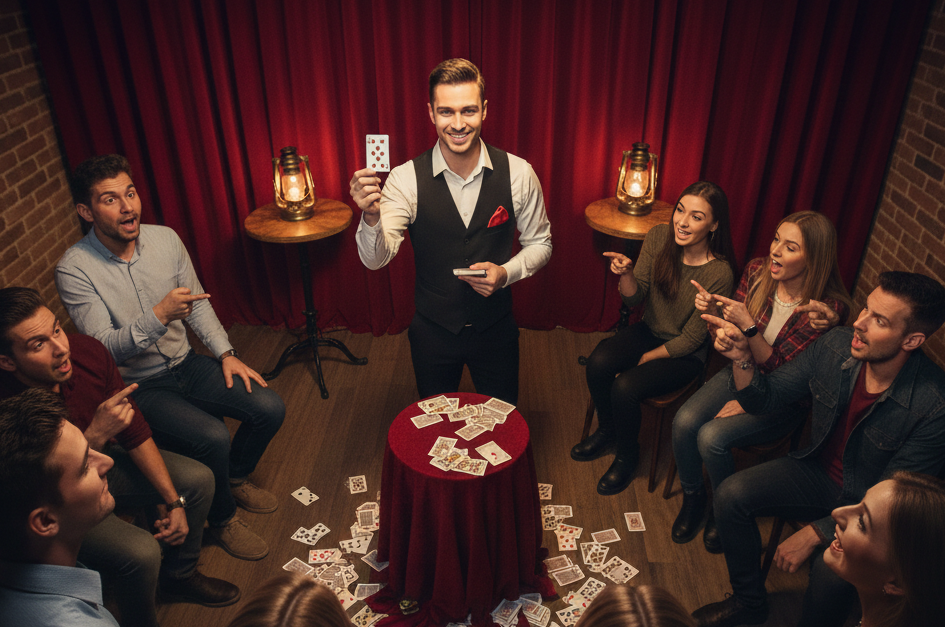
| Parlor Magic | Small rooms or private parties. | Performed for a medium-sized group; often very interactive. |
| Stage Illusions | Large theaters. | Features big props, assistants, and grand spectacles (e.g., levitation). |
More Than Just a Trick: Storytelling and Design
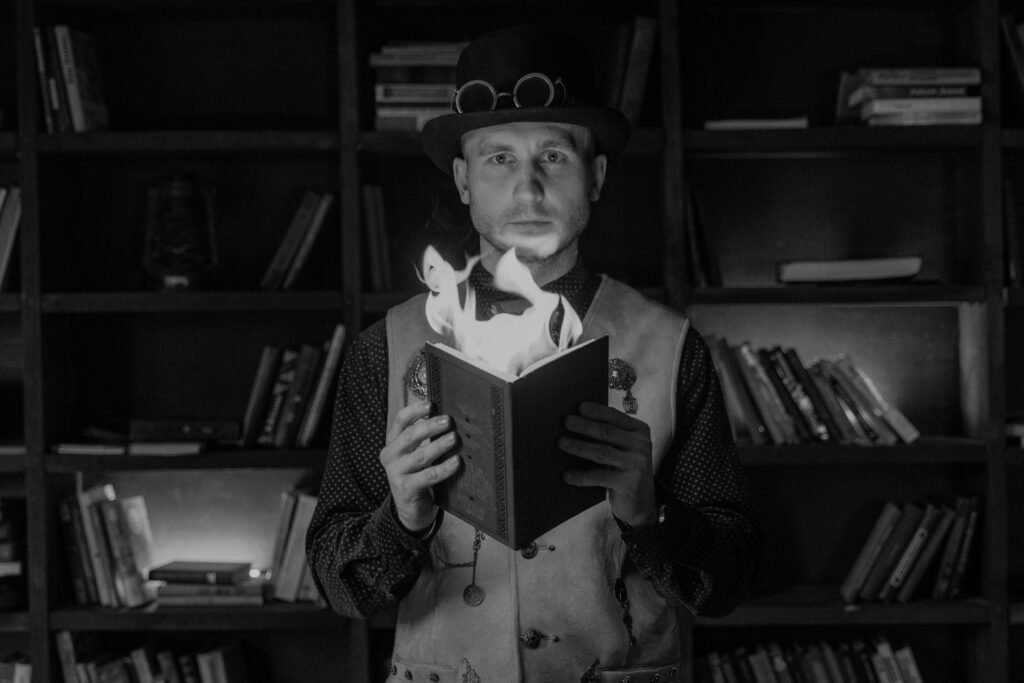
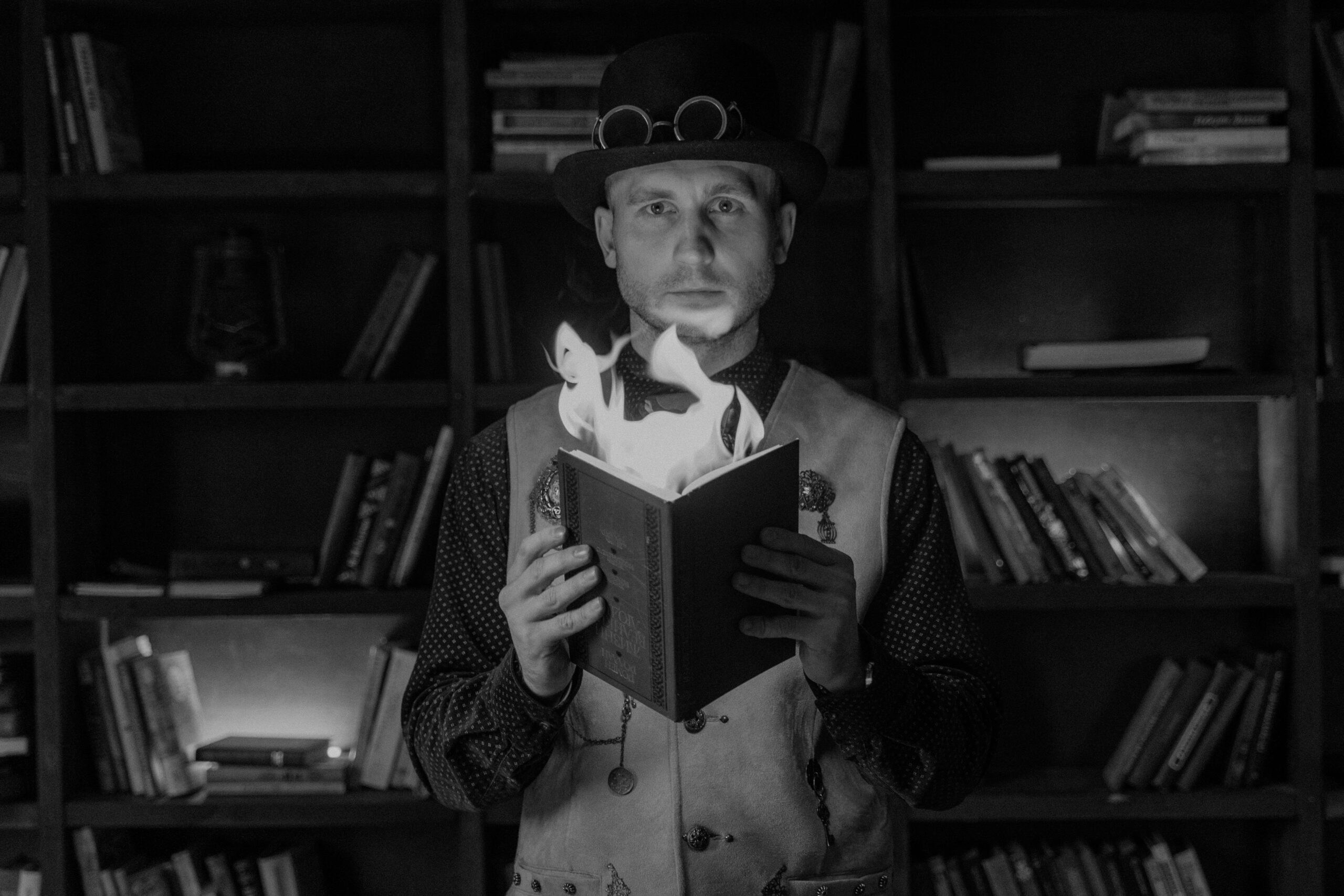
The best magic doesn’t just fool the eyes; it engages the heart. Modern performers incorporate elements of theater, storytelling, and comedy to create a complete experience. A magician isn’t just someone who hides a card; they are a narrator guiding you through a story where the impossible becomes the climax.
This tradition isn’t new, either. Magic is one of the oldest performing arts in human history, with roots stretching back to ancient times. From the streets of Ancient Rome to the high-tech stages of modern-day Las Vegas, the human desire to experience awe has remained unchanged.
Why Magic Matters
In a world where almost everything can be explained by a quick search engine query, magic offers a rare gift: the unknown. It challenges our logical thinking and reminds us that there is still room for surprise. It’s an invitation to step out of the mundane and into a world of “What if?”


Responses